2026-08-31 · Marcus Clayburn
How Rising Electricity Rates Affect HVAC Use In Rural Arkansas
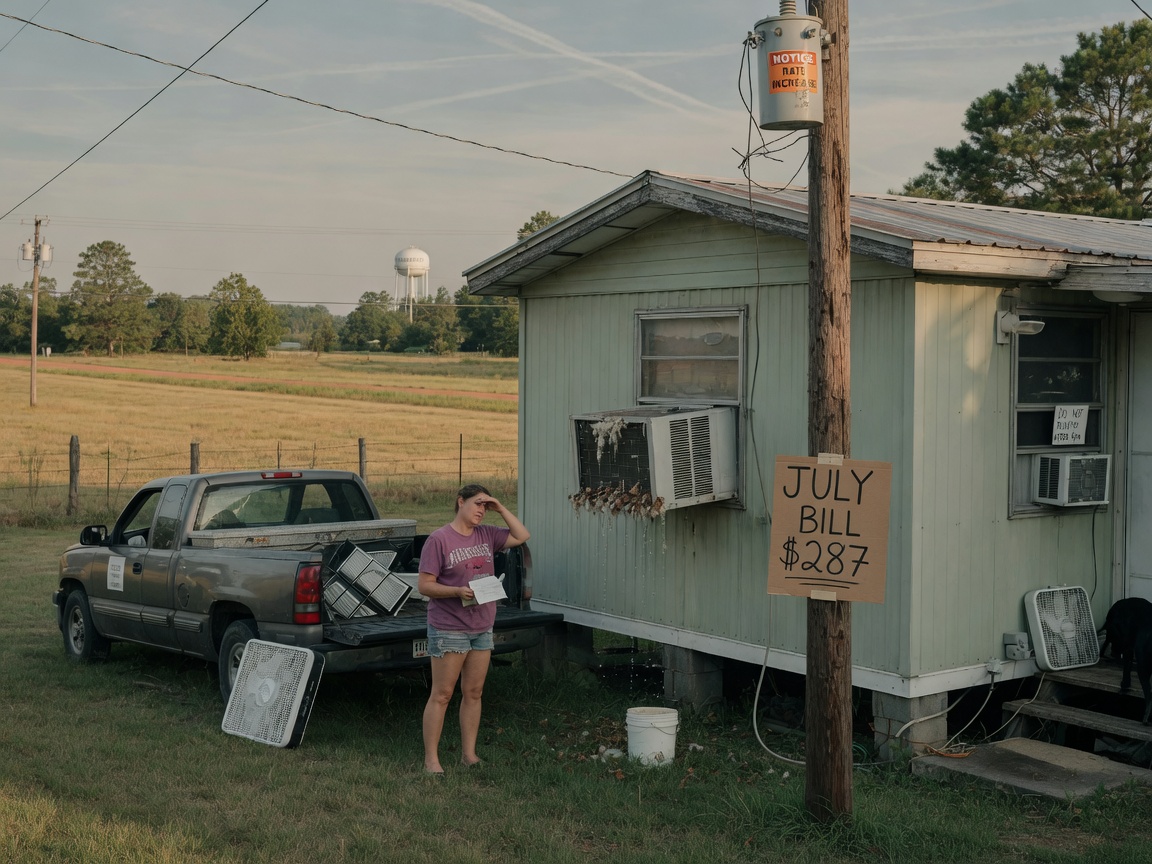
Rising electricity rates lead many Washington homeowners to raise summer thermostat settings by 3–5 degrees and shorten run times, which increases indoor humidity and can stress older equipment in Hempstead County homes.
How Higher Rates Alter Summer Cooling Patterns
In Washington and nearby Hope, residents face longer cooling seasons because of the humid subtropical climate with hot summers. Higher rates push households to limit AC use during peak afternoon hours, allowing indoor temperatures to climb into the low 80s. This change raises relative humidity inside older frame houses common around Old Washington Historic State Park, making spaces feel stickier even when the thermostat reads moderate. Systems must then work harder during evening hours to recover, which can shorten compressor life in units already 10–15 years old. Duct leaks common in these homes waste cooled air into attics, compounding the cost increase. Homeowners who track usage often notice bills drop when they combine shorter cycles with ceiling fans instead of constant running. The shift also affects heat pump models that switch to auxiliary strips, adding unexpected spikes on monthly statements.
Winter Heating Adjustments in Mild Arkansas Conditions
Mild winters in Hempstead County mean most homes rely on heat pumps or gas furnaces only during brief cold snaps. Rising rates encourage owners to set systems 2–4 degrees lower overnight and use portable space heaters in main living areas instead of whole-house operation. This selective approach works in single-story homes typical around Nashville but can create uneven temperatures in two-story farmhouses common outside Washington. Frozen coils become more likely when systems cycle on and off frequently in damp winter air, a pattern detailed in related discussions of Arkansas winter issues. Residents who maintain consistent filter changes and keep outdoor units clear of leaves see fewer emergency calls. The strategy saves on electricity but requires monitoring to avoid comfort complaints during sudden 20-degree drops that still occur several times each season.
Maintenance Steps That Offset Rising Costs
Regular attention to filters and coils helps equipment run fewer minutes per day, directly addressing higher per-kilowatt charges. In rural Washington, changing filters every 30–45 days during peak summer prevents airflow restrictions that force longer run times. Scheduling professional checks twice a year catches low refrigerant or dirty blower motors before they drive up usage. Duct cleaning in homes with original 1970s–1980s ductwork removes buildup that adds resistance and wastes energy. Homeowners who combine these steps with programmable thermostats often report 10–15 percent lower seasonal bills without sacrificing comfort. The humid climate accelerates coil corrosion, so annual inspections become more valuable than in drier regions.
When System Upgrades Make Sense Under Higher Rates
Older units in Hempstead County homes struggle most when electricity prices climb because their SEER ratings sit well below current standards. Replacing a 12-SEER system with a 16-SEER model can cut cooling energy use enough to offset part of the rate increase within a few seasons. Heat pump installation appeals in Washington because the mild winters allow efficient heating without frequent auxiliary use. Homes near Old Washington Historic State Park often need duct sealing or zoning added during upgrades to handle varying room loads in historic construction. These improvements also improve humidity control during the long, muggy summers. Owners weigh the upfront cost against projected savings by reviewing two years of utility statements before deciding.
Practical Next Steps for Washington Homeowners
Tracking daily usage on the utility portal reveals which days and hours drive the largest charges. Setting the thermostat to 78 degrees during the day and 74 at night balances comfort with cost in the local climate. Pairing this schedule with the humidity-focused guidance in Why Arkansas Humidity Makes Your AC Work Harder helps avoid common pitfalls. Scheduling HVAC Maintenance before summer arrives keeps systems efficient when rates peak. For properties with aging ductwork, the Cost Guide For Duct Cleaning In Rural Washington Arkansas outlines realistic pricing and benefits. These targeted actions address the direct impact of rising rates without requiring full system replacement in every case.