
2026-10-29 · Clay Burn
Signs Your HVAC System Needs Professional Inspection Before Summer
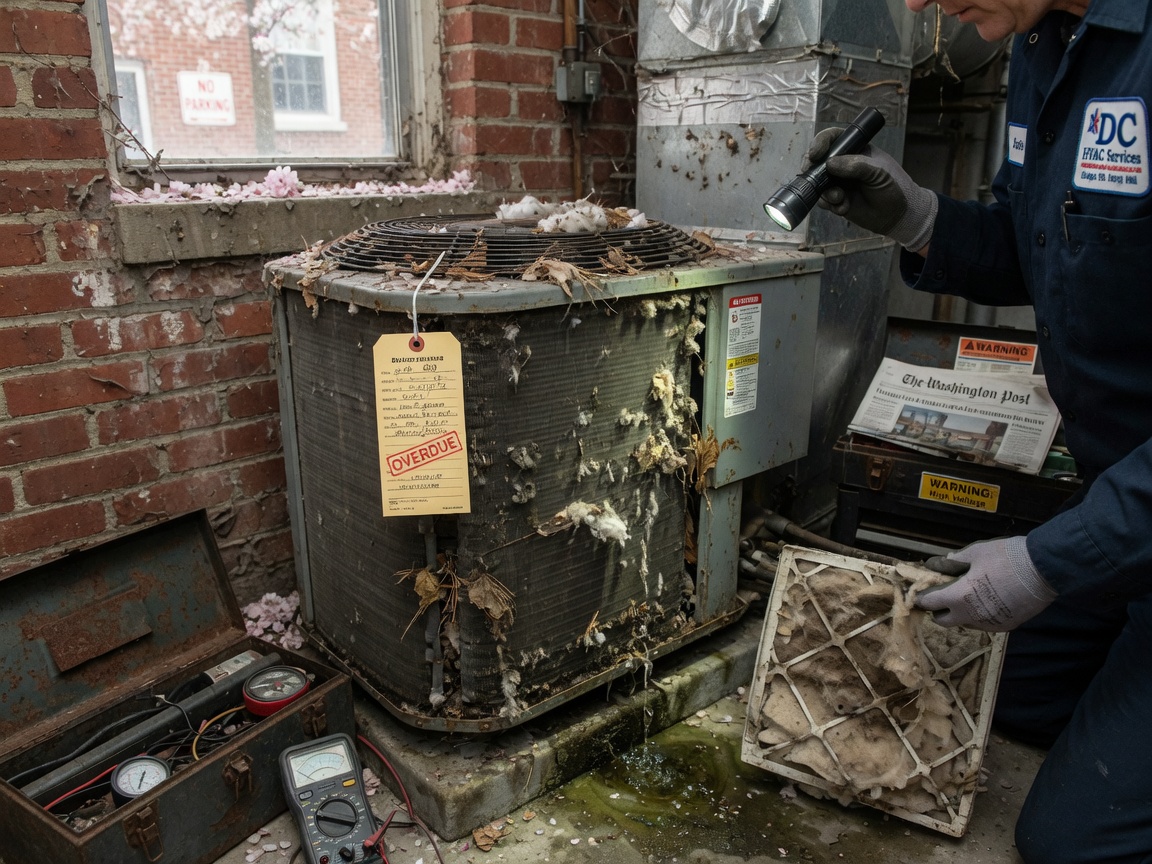
Homes in Washington and the surrounding Hempstead County often show clear performance drops when an HVAC system has gone too long without inspection. The most common early indicators include weak airflow from vents, sudden spikes in monthly electric bills, and rooms that never reach the set temperature even as outdoor humidity rises. These patterns appear regularly in older housing stock near Old Washington Historic State Park, where systems must fight both age-related wear and the area's humid subtropical conditions.
Weak Airflow and Uneven Temperatures
Weak airflow through supply vents usually points to clogged filters, collapsed duct sections, or failing blower motors that have accumulated dust over multiple seasons. In Washington properties, this problem worsens once summer humidity arrives because moist air is heavier and harder to move through aging ductwork. Homeowners near Nashville or Hope frequently notice one or two rooms staying five to ten degrees warmer than the rest of the house. Checking airflow at each register before June can reveal these imbalances early. Professional inspection catches duct leaks or motor strain that DIY filter changes miss, preventing full breakdowns during peak heat.
Higher Energy Bills Without Added Use
Electric bills that climb $40–$80 month-over-month with no change in thermostat settings often trace back to reduced system efficiency. In Hempstead County’s mild winters followed by sudden hot spells, an HVAC unit that ran lightly all winter can lose refrigerant or develop dirty coils that force longer run times once summer arrives. Older homes around the historic park commonly see this pattern because original duct layouts were never designed for modern cooling loads. Tracking the last three months of usage against the same period the prior year gives a concrete baseline. When costs rise without lifestyle changes, scheduling an inspection identifies whether the compressor or fan is working harder than it should.
Strange Noises, Odors, or Short Cycling
Grinding, rattling, or hissing sounds during startup usually mean loose components, failing bearings, or refrigerant leaks that will worsen under summer load. Musty smells point to moisture buildup inside the evaporator coil or drain pan, a frequent issue in Washington’s humid climate. Short cycling—where the unit turns on and off every few minutes—prevents proper dehumidification and stresses electrical parts. These symptoms appear more often in systems eight to twelve years old that have not received seasonal maintenance. Addressing them before June avoids emergency calls when temperatures exceed 90 degrees and humidity stays above 70 percent.
Routine checks also protect against the extra strain Arkansas humidity places on air conditioning equipment. Why Arkansas Humidity Makes Your AC Work Harder explains how local moisture levels increase runtime and wear. Pairing that knowledge with a pre-summer inspection helps Washington homeowners avoid mid-July failures.
When to Schedule the Inspection
Plan the inspection between March and mid-May, before the first sustained heat wave. Technicians can then clean coils, test refrigerant levels, and verify thermostat calibration while parts remain available. Clay Burn HVAC operates from Springdale and serves Washington Monday through Friday 8am–6pm and Saturday 9am–2pm, allowing flexible scheduling around work hours. Homes with heat pumps benefit from the same timing; see Preparing Your Heat Pump For Summer In Hempstead County for region-specific steps. Early attention keeps systems running reliably through the long, humid season ahead.