2026-08-31 · Marcus Clayburn
Why Attic Insulation Matters For HVAC Performance In Arkansas
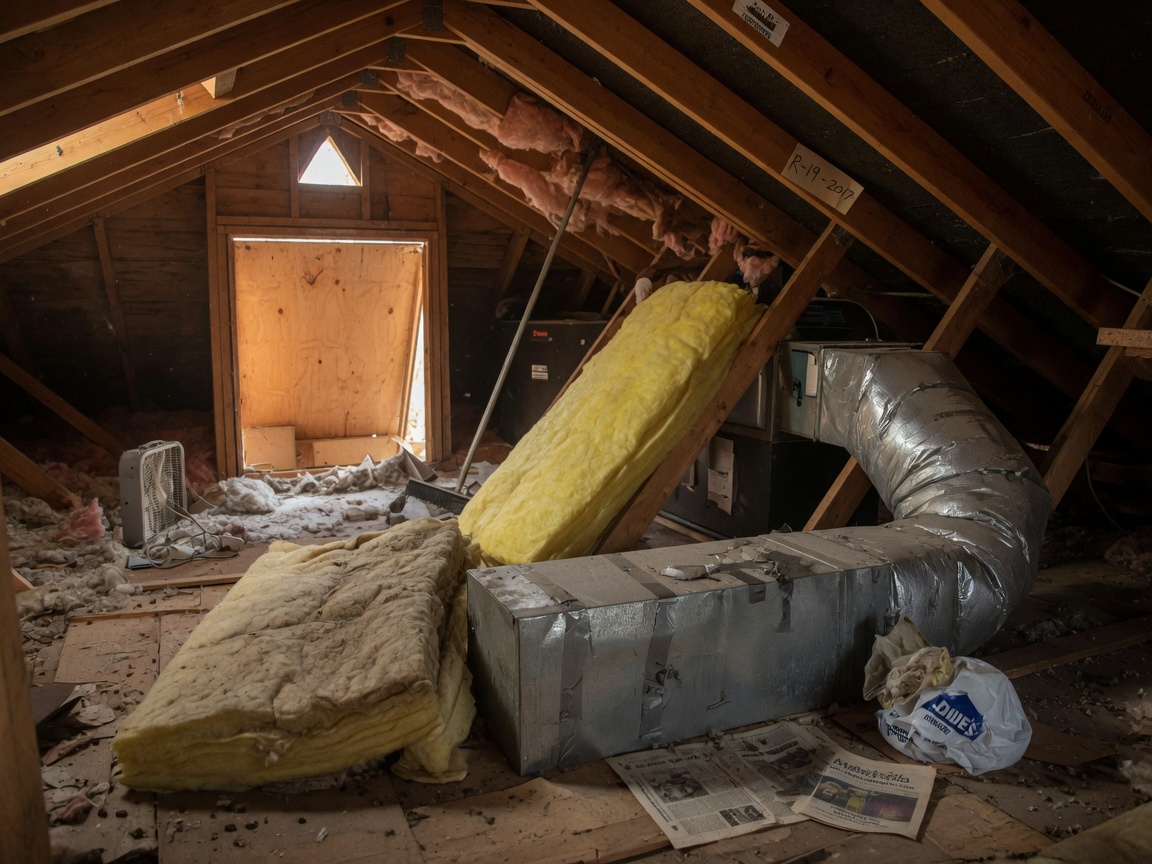
Attic insulation improves HVAC performance by reducing heat transfer through the roof, which can lower energy use by 20-30% in Arkansas summers and winters. Homes in Washington often see this benefit amplified because many properties around Old Washington Historic State Park date back decades with minimal original insulation. The humid subtropical climate brings hot, sticky summers that force air conditioners to run longer while mild winters still require furnace or heat pump operation. Without adequate insulation, conditioned air escapes upward, making systems work harder and wear faster in Hempstead County conditions.
How Attic Insulation Reduces HVAC Workload
In Washington homes, especially those built before modern codes near the historic park, attics often lack sufficient R-value to block summer heat. This forces air conditioning units to cycle more frequently, increasing wear on compressors and fans. During mild winters, poor insulation allows heat to rise and escape, so furnaces or heat pumps must compensate by running longer cycles. Adding insulation creates a thermal barrier that keeps indoor temperatures stable, directly easing the load on ductwork and thermostats. Homeowners in surrounding areas like Hope notice fewer hot spots upstairs once insulation is addressed, which also helps prevent issues like uneven cooling that appear in multi-story houses.
Climate and Housing Factors Specific to Hempstead County
Washington sits in a humid subtropical zone where summer humidity levels regularly push HVAC systems to dehumidify while cooling. Older housing stock around Old Washington Historic State Park features steep roofs and vented attics that let moist air infiltrate, accelerating coil issues during temperature swings. Nearby Nashville experiences similar patterns, but Washington's rural setting means more homes with unconditioned crawl spaces or basements that compound attic heat gain. Soil conditions in the county tend to hold moisture, which can affect foundation temperatures and indirectly influence how much the HVAC must offset. These factors make insulation upgrades a practical step before problems like frozen coils develop in winter.
Practical Steps for Washington Homeowners
Start by checking current attic insulation depth during a routine visit; most older Washington properties need at least R-38 to match local climate demands. Seal gaps around recessed lights and vents first, then add blown-in or batt material without blocking soffit vents. Pair this with HVAC Maintenance to ensure the system is already running at peak before insulation changes airflow dynamics. Track energy bills for two months after installation to measure the difference. Residents near the park should also review related concerns like Common Causes Of Frozen Coils During Arkansas Winters because insulation helps maintain consistent temperatures that protect coils.
When to Combine Insulation With Other HVAC Work
If your Washington home shows signs of uneven cooling, address insulation before replacing equipment. Older ductwork in Hempstead County homes can leak into hot attics, so insulation improvements often pair well with duct sealing. For properties near Hope or Nashville, consider timing work in spring when temperatures allow safe attic access. This sequence prevents oversizing new units based on poor insulation performance. Homeowners can review Troubleshooting Uneven Cooling In Multi Story Homes for additional context on how attic conditions affect whole-house comfort. Clayburn HVACR INC. operates from 17857 E Hwy 412, Springdale, AR 72764 with hours Monday through Friday 8am to 6pm and Saturday 9am to 2pm to support these projects.